
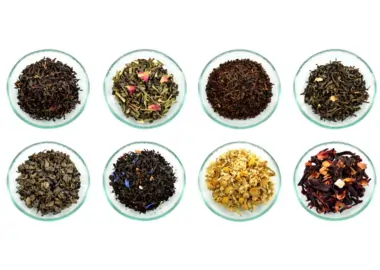
The Ultimate Guide to Varieties of Tea in India: Types, Flavors
Types, Flavors, Regions & Health Benefits
India is one of the largest tea producers in the world, known for its rich tea culture, diverse landscapes, and exceptional flavors. From the misty hills of Darjeeling to the lush plantations of Assam and the Nilgiris, Indian tea offers an extraordinary range of tastes, aromas, and textures that tea lovers cherish worldwide. Whether you enjoy a bold cup of Assam black tea or a soothing herbal infusion, the varieties of tea in India provide something for every palate.
In this comprehensive guide, we explore the major varieties of tea in India, their unique characteristics, processing methods, health benefits, brewing techniques, and regional specialties. By the end, you’ll become well-versed in the fascinating world of Indian teas.
History of Tea in India
Tea was introduced in India during the British colonial era, although wild tea plants existed in Assam long before cultivation began. The British East India Company sought an alternative to Chinese tea supplies and discovered that India’s climatic conditions were ideal for large-scale production.
Key milestones in Indian tea history
- Early 19th century: Discovery of native Assam tea plants
- 1835: First tea plantation established in Assam
- 1850s: Darjeeling tea cultivation begins
- Late 19th century: India becomes a global tea supplier
- Present day: India ranks among the top tea producers globally
India’s tea industry continues to thrive, producing world-famous teas enjoyed domestically and exported internationally.
Major Varieties of Tea in India
India produces several distinct varieties of tea, each offering a unique experience. The primary types include:
- Assam Tea
- Darjeeling Tea
- Nilgiri Tea
- Kangra Tea
- Sikkim Tea
- Masala Chai
- Herbal and Ayurvedic Teas
- White, Green, Oolong, and Black Variants
Let’s explore these in depth.
Assam Tea – Bold and Malty
Origin and climate
Assam tea comes from the northeastern state of Assam, characterized by humid weather, rich soil, and heavy rainfall. These conditions create a robust tea known for its strong flavor.
Flavor profile
- Full-bodied
- Malty
- Strong aroma
- Dark color
Best for
- Breakfast teas
- Masala chai
- Milk-based teas
Assam black tea is prized internationally, especially in English Breakfast blends.
Darjeeling Tea – The Champagne of Teas
Origin and uniqueness
Grown in the Himalayan foothills, Darjeeling’s high altitude and cool climate create delicate teas with complex flavors.
Flavor profile
- Floral
- Musky
- Light-bodied
- Golden or amber color
Flush varieties
Darjeeling teas are categorized by harvest season:
- First Flush: Light, floral
- Second Flush: Muscatel flavor
- Monsoon Flush: Stronger and darker
- Autumn Flush: Smooth and mellow
Darjeeling tea’s refined taste has earned it global recognition and a Geographical Indication (GI) tag.
Nilgiri Tea – Aromatic and Smooth
Region
Nilgiri tea is grown in the Blue Mountains of South India.
Characteristics
- Fragrant
- Smooth
- Bright liquor
- Naturally sweet notes
Nilgiri tea blends well in iced teas due to its clarity and refreshing taste.
Kangra Tea – Himalayan Delight
Origin
Produced in Himachal Pradesh, Kangra tea features mild flavors and a distinctive aroma.
Flavor profile
- Woody
- Fruity
- Subtle sweetness
Kangra tea is less known internationally but highly valued among connoisseurs.
Sikkim Tea – Rare and Exclusive
Temi Tea Estate
Sikkim’s famous Temi tea estate produces premium organic teas with:
- Fruity notes
- Floral aroma
- Smooth finish
This limited-production tea is considered one of India’s finest.
Masala Chai – India’s Iconic Beverage
What makes it unique?
Masala chai blends black tea with spices such as:
- Cardamom
- Ginger
- Cinnamon
- Cloves
- Black pepper
Popular variations
- Street-style chai
- Cutting chai
- Kadak chai
- Adrak (ginger) chai
- Elaichi (cardamom) chai
Masala chai embodies India’s tea culture and is cherished nationwide.
Green Tea in India
Green tea production has expanded rapidly due to rising demand for health-focused beverages.
Characteristics
- Mild flavor
- Light green color
- Fresh aroma
Health benefits
- Rich in antioxidants
- Aids weight loss
- Boosts metabolism
- Improves brain function
Popular regions for green tea production include Assam, Darjeeling, and Nilgiri.
White Tea – Delicate and Premium
Features
White tea is minimally processed, made from young buds and leaves.
Taste profile
- Sweet
- Silky
- Light-bodied
It is one of the most expensive teas due to limited production.
Oolong Tea – Semi-Fermented Elegance
Oolong tea offers a balance between green and black tea flavors.
Characteristics
- Floral aroma
- Smooth body
- Complex taste
Oolong teas from Darjeeling are gaining popularity globally.
Herbal and Ayurvedic Teas
India’s ancient Ayurvedic traditions have inspired herbal tea varieties that promote wellness.
Popular herbal teas
- Tulsi tea
- Ginger tea
- Lemongrass tea
- Chamomile tea
- Ashwagandha tea
Benefits
- Boosts immunity
- Reduces stress
- Improves digestion
- Promotes relaxation
How Tea is Processed in India
Steps of tea processing
- Withering
- Rolling
- Oxidation
- Drying
- Sorting
Levels of oxidation determine tea type
- Fully oxidized → Black tea
- Partially oxidized → Oolong tea
- Minimally oxidized → Green tea
- Not oxidized → White tea
Health Benefits of Indian Tea
Indian teas offer numerous health advantages.
Key benefits include
- Antioxidant-rich
- Improves heart health
- Enhances metabolism
- Boosts immunity
- Reduces stress
- Supports digestion
Brewing the Perfect Cup of Indian Tea
Tips for brewing
- Use fresh water
- Don’t over-boil
- Adjust steeping time
- Use quality loose tea
Steeping times
- Black tea: 3–5 minutes
- Green tea: 2–3 minutes
- White tea: 4–5 minutes
- Herbal tea: 5–7 minutes
H2: Indian Tea Culture and Traditions
Tea is more than a beverage in India—it is a cultural experience.
H3: Tea in daily life
- Hospitality symbol
- Morning ritual
- Social bonding beverage
Street tea culture
Thousands of tea stalls, known as "chai tapris," offer affordable and flavorful tea across India.
Indian Tea Export Market
India exports premium teas worldwide.
Major export destinations
- United States
- United Kingdom
- Russia
- UAE
- Iran
Why Indian Tea Stands Out
Unique qualities
- Diverse climates
- Rich soil
- Traditional processing
- Distinct regional flavor profiles
Conclusion
India is home to an extraordinary variety of teas, each offering unique flavors and experiences. From robust Assam blends to delicate Darjeeling leaves and aromatic Nilgiri brews, Indian tea culture reflects centuries of craftsmanship and tradition.
Whether you enjoy tea for taste, health benefits, or cultural connection, exploring India’s tea varieties opens a world of rich aromas and fascinating history.

Recent Posts

Top Health Benefits of Drinking Tea Every Day (2025 Guide)
The Ultimate Guide to Varieties of Tea in India: Types, Flavors
+0123 (456) 7899
contact@example.com