

The Role of Fresh Ingredients in Everyday Indian Cooking
A Complete Guide to Flavor, Tradition, and Wellness
Indian cuisine is celebrated worldwide for its bold flavors, vibrant colors, and deeply rooted culinary traditions. At the core of this vast and diverse food culture lies one essential pillar: fresh ingredients. Whether it’s the snap of a just-picked vegetable, the aroma of hand-pounded spices, or the purity of farm-fresh dairy, freshness defines authenticity in Indian cooking.
In this comprehensive guide, we will explore how fresh ingredients shape everyday Indian meals, why they are vital for taste and nutrition, how regional cultures depend on them, and practical ways you can incorporate fresher choices into your daily cooking.
This article goes far beyond the basics—uncovering traditions, science, modern trends, and expert techniques.
Table of Contents
- Introduction: Why Freshness Matters in Indian Food
- Understanding India’s Culinary Philosophy
- The Spiritual & Cultural Importance of Fresh Ingredients
- The Science Behind Freshness and Flavor
- Fresh Vegetables in Indian Cooking
- Fresh Herbs: The Heartbeat of Indian Flavor
- Fresh Spices vs. Packaged Spices
- The Role of Fresh Dairy in Indian Cuisine
- Fresh Fruits in Daily Indian Meals
- Freshness in Regional Indian Cuisines
- Farm-to-Table in Modern India
- How Fresh Ingredients Support Health & Wellness
- How to Source Fresh Ingredients Today
- Tips to Store Ingredients to Keep Them Fresh Longer
- Cooking Techniques that Preserve Freshness
- Conclusion
The Role of Fresh Ingredients in Everyday Indian Cooking
Indian cooking is more than a method—it's an experience steeped in culture, emotion, and sensory richness. Fresh ingredients are central to this experience. From the earthy smell of coriander leaves to the pungent kick of freshly chopped ginger, these ingredients not only make dishes delicious but also deeply nourishing.
Below, we dive into every layer of this culinary philosophy.
Why Freshness Matters in Indian Food
Fresh ingredients are valued in Indian cooking because they enhance:
- Flavor – Fresh herbs, produce, and spices yield richer aroma and depth.
- Nutrition – Many Indian dishes are designed to retain vitamins and minerals.
- Digestibility – Ayurvedic principles emphasize easily digestible, natural foods.
- Cultural traditions – Many dishes are meant to be cooked and consumed within hours.
Fresh ingredients turn everyday meals into vibrant, wholesome, satisfying experiences.
Understanding India’s Culinary Philosophy
Indian cuisine is shaped by Ayurveda, a holistic system of health focusing on balance. Fresh ingredients play a major role in this balance.
Ayurveda and Freshness
Ayurveda encourages consuming satvik foods—those that are:
- Fresh
- Pure
- Seasonal
- Natural
These foods are believed to promote:
- Clarity of mind
- Longevity
- Proper digestion
- Emotional well-being
Thus, freshness is deeply intertwined with lifestyle and wellness.
Cultural & Spiritual Importance of Fresh Ingredients
Freshness isn’t just a culinary preference; it holds religious and cultural significance.
Fresh Food in Festivals and Rituals
During:
- Hindu festivals
- Puja rituals
- Community feasts
only fresh fruits, milk, ghee, and vegetables are used. Stale or preserved items are avoided, symbolizing purity and gratitude.
The Social Ritual of Cooking Daily
Indian households traditionally cook fresh meals twice a day, reflecting:
- Care for the family
- Use of local produce
- Respect for seasonal changes
This practice strengthens family bonds and culinary heritage.
The Science Behind Freshness and Flavor
Fresh ingredients contain volatile compounds responsible for:
- Aroma
- Flavor
- Anti-inflammatory benefits
Examples include:
- Gingerol in ginger
- Curcumin in turmeric
- Allicin in garlic
- Essential oils in coriander and mint
These compounds degrade with time, heat, and exposure to air. Using fresh ingredients maximizes both flavor and health benefits.
Fresh Vegetables in Indian Cooking
Vegetables are foundational to Indian meals—from simple stir-fries to elaborate curries.
Why Fresh Vegetables Matter
Fresh vegetables offer:
- Crispness in texture
- Natural sweetness
- Better nutrient retention
A freshly cut okra behaves differently in a pan compared to a refrigerated one: it becomes less sticky and cooks evenly.
Popular Fresh Vegetables in Indian Kitchens
- Okra (Bhindi)
- Eggplant (Baingan)
- Bottle gourd (Lauki)
- Bitter gourd (Karela)
- Spinach (Palak)
- Tomato
- Cauliflower
- Carrot
- Pumpkin
Each region relies on seasonal availability to dictate daily meals.
Fresh Herbs: The Heartbeat of Indian Flavor
Fresh herbs are used in almost every stage of cooking.
Common Indian Herbs
- Coriander leaves (Dhaniya)
- Curry leaves (Kadi patta)
- Mint (Pudina)
- Fenugreek leaves (Methi)
- Dill leaves (Suva)
Why Herbs Must Be Fresh
Dried versions lose essential oils quickly. In contrast, fresh herbs:
- Brighten flavor profiles
- Improve presentation
- Boost immunity
- Aid digestion
A handful of coriander can transform a dish from ordinary to extraordinary.
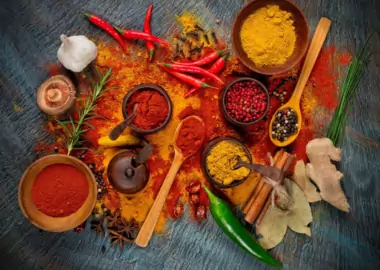
Fresh Spices vs Packaged Spices
Spices are the soul of Indian cuisine.
Whole Fresh Spices
Whole spices such as:
- Cardamom
- Cumin
- Mustard seeds
- Cloves
- Cinnamon
are often bought fresh and roasted just before use.
Grinding Fresh Masalas
Many Indian households prepare spice blends at home, such as:
- Garam masala
- Sambar powder
- Rasam powder
- Chaat masala
Freshly ground spices have:
- Superior aroma
- Stronger flavor
- Longer-lasting freshness
Packaged spices offer convenience but lack the vibrancy of freshly ground blends.
The Role of Fresh Dairy in Indian Cuisine
Dairy is used in countless ways across Indian cooking.
Fresh Dairy Staples
- Milk
- Yogurt (Dahi)
- Buttermilk (Chaas)
- Paneer
- Ghee
- Cream (Malai)
Importance of Fresh Dairy
Fresh dairy ensures:
- Smooth textures in gravies
- Proper fermentation in yogurt
- Balanced richness
For example, homemade paneer has a softness packaged paneer cannot replicate.
Fresh Fruits in Daily Indian Meals
Fresh fruits play a role in:
- Breakfast
- Prasadam offerings
- Desserts
- Refreshments
Bananas, mangoes, guavas, papayas, and pomegranates are beloved staples.
Freshness Across Regional Indian Cuisines
India’s 28 states each showcase unique culinary traditions centered on freshness.
North India
- Fresh dairy
- Seasonal vegetables
- Hand-ground masalas
South India
- Coconut
- Curry leaves
- Freshly fermented batters
East India
- Fresh fish
- Mustard greens
- Rice-based dishes
West India
- Fresh herbs
- Coastal produce
- Millet-based dishes
Freshness is a unifying thread across this diversity.
Farm-to-Table in Modern India
The farm-to-table movement is rising. More consumers seek:
- Organic produce
- Minimal pesticide use
- Freshly harvested vegetables
- Local farmer markets
Restaurants also highlight fresh ingredients as their selling point.
How Fresh Ingredients Support Health & Wellness
Fresh produces offer:
- Higher antioxidants
- Better digestion
- Stronger immunity
- Reduced inflammation
Ayurveda teaches that "you are what you digest," making fresh ingredients essential for wellness.
How to Source Fresh Ingredients Today
Best Ways to Buy Fresh
- Local farmers’ markets
- Early morning vegetable bazaars
- Organic stores
- Direct farm connections
- Growing herbs at home
How to Identify Freshness
- Look for bright colors
- Avoid wilted leaves
- Smell the produce
- Check for firmness
Tips to Store Fresh Ingredients Longer
Vegetables
- Wrap leafy greens in cotton cloth
- Store root vegetables in open baskets
Herbs
- Keep in water-filled jars
- Freeze chopped herbs in ice trays
Spices
- Airtight containers
- Keep away from sunlight
Dairy
- Refrigerate immediately
- Consume within 2–3 days
Cooking Techniques that Preserve Freshness
Indian cooking uses techniques designed to maintain nutrients and flavors:
Tempering (Tadka)
Blooming spices in hot ghee releases fresh aromas.
Steaming
Used in idlis, dhoklas—preserves nutrients.
Quick Stir-Frying
Ideal for bhindi, beans, and cabbage.
Slow Cooking
Enhances flavor without destroying nutrients.
Minimal Water Cooking
Retains vitamins in vegetables.
Conclusion
Fresh ingredients are more than a preference in Indian cooking—they are a legacy. They define taste, honor tradition, elevate nutrition, and connect generations. Whether you're preparing a simple dal or an elaborate festive thali, using fresh ingredients deepens the experience, enriching both body and soul.
By embracing freshness, you continue a timeless culinary tradition that celebrates nature, health, and community.

Recent Posts
The Role of Fresh Ingredients in Everyday Indian Cooking

Top Health Benefits of Drinking Tea Every Day (2025 Guide)
The Ultimate Guide to Varieties of Tea in India: Types, Flavors
+0123 (456) 7899
contact@example.com