
Coriander Powder Benefits: 10 Powerful Health, Skin & Kitchen Uses
Introduction
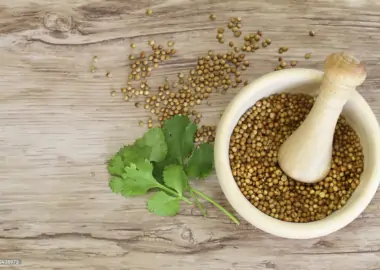
Coriander powder — made from dried, ground seeds of the coriander plant (Coriandrum sativum) — is a kitchen staple in many cuisines. Beyond its warm, citrusy flavor and aroma, coriander powder offers multiple health and cosmetic benefits. This post explores the top coriander powder benefits, how to use it, possible side effects, simple home remedies and recipes, plus an FAQ to answer common questions.
What is Coriander Powder?
Coriander powder is produced by drying coriander seeds and grinding them into a fine, beige powder. It should not be confused with fresh coriander leaves (cilantro). Coriander seeds contain essential oils, fiber, vitamins, minerals and bioactive compounds that contribute to their therapeutic effects. The powder is easier to store than whole seeds and integrates seamlessly into both savory and sweet dishes.
Top 10 Coriander Powder Benefits
1. Aids Digestion
Coriander powder has been traditionally used to relieve digestive discomforts such as bloating, gas and indigestion. It may stimulate digestive enzymes and improve gut motility, helping food move through the digestive tract more efficiently.
2. Supports Blood Sugar Control
Some natural compounds in coriander may help moderate blood sugar levels by influencing carbohydrate metabolism. While it’s not a replacement for diabetes medication, adding coriander powder to meals can be part of a balanced approach to blood sugar management.
3. Lowers Bad Cholesterol (LDL)
Research and traditional medicine suggest coriander can help improve lipid profiles by lowering LDL (bad cholesterol) and triglycerides while sometimes elevating HDL (good cholesterol). Incorporating coriander as part of a heart-healthy diet may support cardiovascular health.
4. Anti-Inflammatory Properties
The essential oils and antioxidants in coriander demonstrate anti-inflammatory effects that can help ease mild inflammatory conditions. Regular culinary use may contribute to reduced systemic inflammation over time.
5. Antioxidant & Detox Support
Coriander powder contains antioxidants that neutralize free radicals — unstable molecules that can damage cells. Antioxidants support general detoxification and cellular health, which benefits skin, organs and longevity.
6. Antimicrobial Effects
Coriander contains natural antimicrobial compounds that may inhibit the growth of certain bacteria and fungi. This underpins its traditional use for mild food preservation and for maintaining gut and oral health.
7. Skin Benefits
Applied topically (as part of a paste) or consumed regularly, coriander can soothe acne-prone skin due to its antimicrobial and anti-inflammatory properties. Its antioxidants may also support a clearer, brighter complexion.
8. Supports Weight Management
Coriander’s ability to aid digestion, regulate blood sugar, and possibly enhance metabolism makes it a helpful culinary ally for weight management when used alongside healthy eating and exercise.
9. Promotes Bone Health
Coriander powder contains minerals including calcium, magnesium and phosphorus that are important for maintaining bone density and overall skeletal health — especially when combined with a mineral-rich diet.
10. Helps with Menstrual Discomfort
Traditionally, coriander is used to help ease menstrual cramps and regulate irregular cycles. Its mild antispasmodic and anti-inflammatory properties may reduce cramping and discomfort in some people.
How to Use Coriander Powder
- Culinary uses: Add to curries, soups, stews, marinades, spice rubs, chutneys and salad dressings.
- Simple digestive tea: Stir 1/2 teaspoon in hot water with a dash of lemon and honey; sip after meals.
- Skin paste: Mix 1 teaspoon coriander powder with yogurt or honey to make a gentle face mask (patch-test first).
- Smoothie boost: Add 1/4 to 1/2 teaspoon to savory smoothies for a nutrient boost.
- Seasoning: Combine with cumin, turmeric and black pepper for a balanced spice mix.
Dosage & Safety
For culinary use, coriander powder is generally safe for most people. Typical culinary amounts (1/4 to 1 teaspoon daily) are unlikely to cause side effects. For therapeutic use, people often take up to 1–3 grams per day, but always consult a healthcare provider if you have a medical condition, are pregnant, breastfeeding, or are on medications (especially blood sugar or blood-thinning medications). Allergies to coriander are unusual but possible; discontinue use if you develop rash, itching, or respiratory symptoms.
Simple Recipes Using Coriander Powder
Quick Coriander Yogurt Dip
- 1 cup yogurt
- 1/2 tsp coriander powder
- 1/4 tsp roasted cumin
- Salt, lemon juice and chopped mint to taste
Mix and serve with vegetables or flatbread.
Soothing Coriander Tea
- 1 cup hot water
- 1/2 tsp coriander powder or crushed seeds
- 1 tsp honey and a squeeze of lemon
Steep 5 minutes and sip after meals.
Warm Coriander-Spiced Lentils
- Add 1 tsp coriander powder to simmering lentils along with turmeric, garlic and onion for an aromatic, nutritious dish.
Potential Side Effects & When to Avoid
- Allergic reactions: Rare but possible.
- Blood sugar impact: If you take diabetes medication, monitor your levels—coriander may enhance glucose-lowering effects.
- Pregnancy & breastfeeding: Safe in typical food amounts; for medicinal doses consult your provider.
- Drug interactions: Possible interactions with blood thinners and drugs affecting blood sugar. When in doubt, consult a clinician.
FAQs
Q1: Is coriander powder the same as cilantro?
A: No. Coriander powder comes from the seeds; cilantro refers to the fresh leaves of the same plant. They have different flavors and uses.
Q2: How should I store coriander powder?
A: Keep it in an airtight container away from heat, light and moisture. Stored properly, it retains flavor for 6–12 months.
Q3: Can coriander powder help with digestion immediately?
A: Many people report relief from bloating or gas after a coriander tea or adding coriander to meals, but effects vary by person.
Q4: Can I take coriander powder daily?
A: Yes, in culinary amounts. For therapeutic doses, consult a healthcare professional for personalized guidance.
Q5: Are there any studies backing coriander benefits?
A: There are studies and traditional uses that support antioxidant, anti-inflammatory, antimicrobial and metabolic benefits, but more large-scale human trials are needed for definitive claims.
Q6: Can coriander powder help lower cholesterol?
A: Some research suggests it can help improve lipid profiles, but it should be part of a comprehensive heart-healthy lifestyle.
Q7: How much coriander powder in tea?
A: 1/4 to 1/2 teaspoon per cup of hot water is a common, gentle amount.
Q8: Does cooking destroy coriander’s benefits?
A: Some volatile oils may diminish with prolonged high heat, but many minerals and non-volatile compounds remain beneficial when cooked.
Q9: Can children consume coriander powder?
A: In food amounts, yes. For therapeutic dosing, speak to a pediatrician.
Q10: Is it safe to apply coriander powder to skin?
A: Many use it topically in masks. Patch-test first, avoid open wounds, and discontinue if irritation occurs.
Conclusion
Coriander powder is more than a flavorful spice — it packs a variety of healthful properties that can support digestion, metabolic balance, skin health, heart wellness, and more. Used regularly in food or as a gentle home remedy, coriander powder is an accessible, low-risk way to boost both flavor and wellness. Remember to use it sensibly, watch for rare allergic reactions, and consult your healthcare provider when using it therapeutically or alongside medications.

Recent Posts

The Role of Fresh Ingredients in Everyday Indian Cooking

Top Health Benefits of Drinking Tea Every Day (2025 Guide)
The Ultimate Guide to Varieties of Tea in India: Types, Flavors
+0123 (456) 7899
contact@example.com